


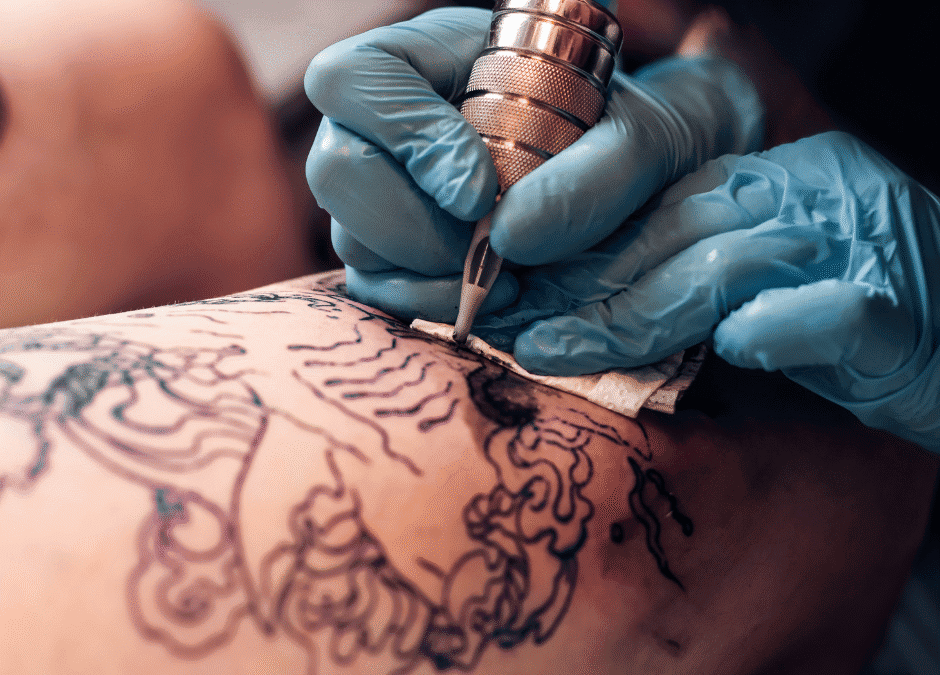
More Than Ink: The Deeper Meaning of Tattoos
Tattoos often carry deep personal significance. Whether it’s a symbol of survival, a reminder of a loved one, or a marker of change, tattoos can represent pivotal life moments. For many, getting tattooed is an act of meaning-making—turning emotion into imagery.
Identity and Self-Expression
Tattoos are a visible way to express who we are. They can reflect culture, beliefs, passions, or milestones. Some people use tattoos to reinforce a sense of control over their bodies, especially after experiences that made them feel powerless.
- Cultural Identity: Symbols from heritage or tradition.
- Personal Beliefs: Quotes, mantras, or religious icons.
- Gender and Sexuality: Tattoos can reflect and affirm gender identity or orientation.
Emotional Healing and Catharsis
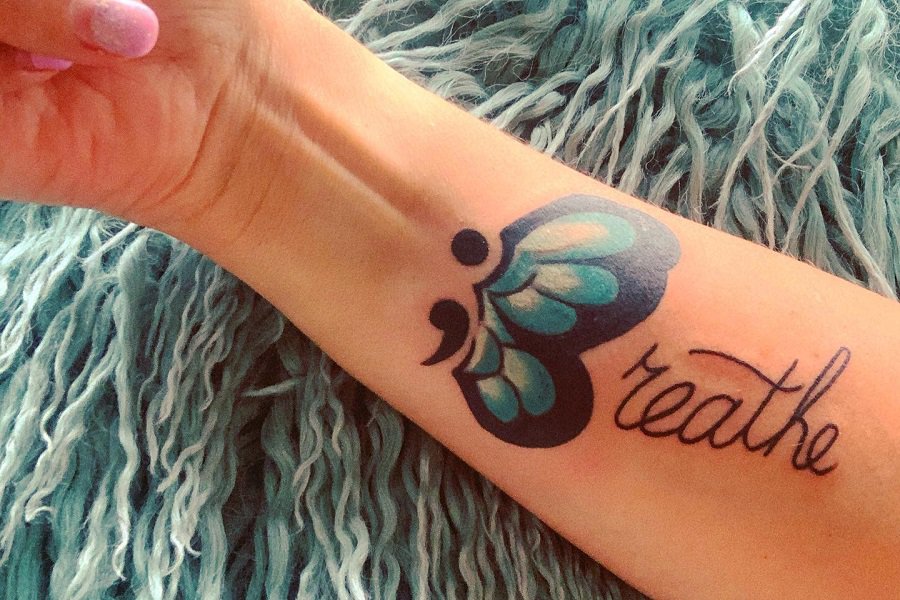
Tattoos can be a form of emotional release or healing. People often get inked after traumatic events, loss, or major life transitions. The process of getting tattooed becomes a ritual—helping individuals process grief, celebrate survival, or mark recovery.
- Memorial Tattoos: Honoring a loved one.
- Trauma Recovery: Marking a turning point.
- Mental Health Symbols: Semicolons, hearts, or personal affirmations.
Control and Reclamation
Some people choose tattoos as a way to reclaim autonomy over their bodies. This is especially powerful for those who have experienced illness, injury, or body shame. A tattoo can become a declaration of strength and ownership.
The Social Psychology of Tattoos
Tattoos can shape the way others see us—and how we connect with them. While once taboo, tattoos are now widely accepted and often admired. They can spark conversation, foster community, and even influence social identity.
- Tribal or Group Identity: Shared tattoos among friends, family, or subcultures.
- Social Bonding: Couples, siblings, or teammates getting matching tattoos.
- Public Perception: Some use tattoos to stand out; others to fit in.
The Tattoo Experience: Pain, Endorphins, and Transformation

The act of being tattooed is both physical and psychological. For some, the pain is part of the process—it can trigger endorphins, create a meditative state, or symbolize endurance. The experience can feel like a rite of passage.
- Pain as Purpose: The sensation reinforces the emotional value.
- Endorphin Release: Temporary euphoria or relief.
- Body as Canvas: Feeling transformed and more aligned with self-image.
When Tattoos Go Deeper Than Skin
Tattoos can become part of a person’s identity and mental landscape. They can provide comfort, confidence, and meaning that lasts far beyond the session. For many, they’re not just marks—they’re milestones.